By March 2027, Uzbekistan will create a single electronic register of caving tourism sites. This is provided for in a Cabinet of Ministers resolution dated September 30, which took effect on October 2.
The register will hold data on each site's geographic location, tourism potential, technical condition and legal status.
Tourist passports will be drawn up for the sites, which are slated to get navigation signs, electronic maps and usage guidelines. To promote them, photo and video materials, 3D models and QR codes with information about the attractions will be produced.
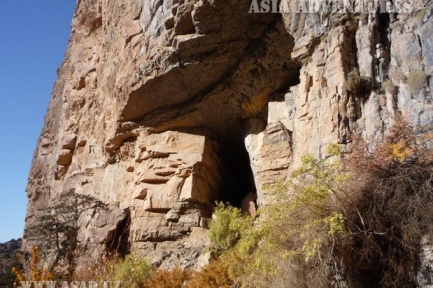
The list of sites with high potential for caving tourism includes:
- Peshagor cave in Zaamin district, Jizzakh province
- Yakhdon, Amankutan and Kievskaya caves in Urgut district, and Hazrati Daud cave in Nurabad district, Samarkand province
- Korongi Yulduz, Boybulak and Teshiktash caves in Baysun district, Surkhandarya province
- Khojaikon salt mine in Sherabad district, Surkhandarya province
- Amir Temur cave in Yakkabag district, Kashkadarya province
Tourist safety
Uniform safety requirements will be developed for caving tourism sites, along with evacuation plans and arrangements for working with rescue services. Guides and instructors will receive training, qualification certification and regular refresher courses.
Scientific expeditions and environmental monitoring
The resolution envisages cooperation with international caving organizations and joint expeditions. The data collected is to be added to the single electronic database.
Environmental monitoring of the sites will also be carried out. Plans call for regular assessments of the caves' ecological condition, tracking of human impact and measures to prevent tourism from harming the environment.