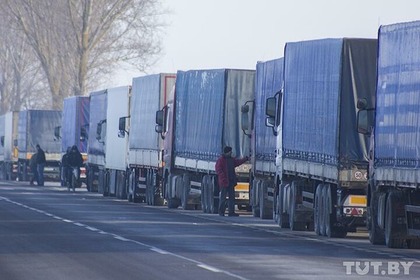
Uzbekistan is preparing to digitize one of the more mundane but consequential pieces of paperwork in its cross-border trade: the permits that keep trucks moving between countries. The Ministry of Transport has announced plans to shift to an electronic permit system — known as "E-Permit" — for international road freight with Russia and Belarus by the end of 2026, part of a broader push to modernize the logistics infrastructure underpinning Uzbekistan's trade routes.
At the heart of the change is the "dozvol," a state-issued permit required for any truck crossing borders on international freight runs. For now, these permits still exist largely on paper — a system that, while familiar, is increasingly out of step with the rest of Uzbekistan's push toward digitalized trade. Switching to an electronic format isn't something Uzbekistan can simply flip on unilaterally, however: it requires mutual recognition agreements with partner countries, integration between national information systems, and testing of data exchange before the switch can go live.
The country isn't starting from scratch. Uzbekistan has already implemented electronic "dozvol" exchange with six countries — Kazakhstan, Kyrgyzstan, China, Turkey, Azerbaijan and Georgia — giving officials a working template to extend to Russia and Belarus, two of the country's most heavily trafficked freight corridors.
A glitch on the China route
But the rollout hasn't been without growing pains, and the ministry used the announcement to address a specific complaint from carriers operating on China routes, where the electronic system has occasionally left drivers stuck. In some cases, a truck completes a delivery to China using its electronic permit — only for the system to keep showing that permit as "unused." Since the system won't issue a new permit to a vehicle until its previous one is marked as used, drivers can find themselves unable to get authorization for their next trip, even though they've already made the crossing.
The cause, according to the ministry, isn't a system failure so much as an incomplete paper trail. Under the current procedure, a driver who clears customs is supposed to hand over cargo and transport documents to a transport control inspector, who then confirms the permit was used and updates its status accordingly. Only after that confirmation does the system free up the vehicle for a new permit.
The trouble starts when drivers skip that last step. Some, after finishing customs formalities, leave the border area without presenting their documents to the inspector — meaning the permit never gets marked as used, even though it was. The system, unable to tell the difference between a permit that was genuinely never used and one that simply wasn't logged, automatically blocks the vehicle from receiving a new one.
The ministry was careful to frame this as a feature, not a flaw: officials said the verification step exists not to slow carriers down but to prevent a single vehicle from holding multiple active permits at once and to keep accurate records of permit usage across the system. In effect, the fix is procedural rather than technical — drivers need to complete the paperwork handoff at the border, not just clear customs, if they want their next permit to go through smoothly.
The bigger picture
The China-route hiccup offers an early preview of the kind of friction Uzbekistan will need to iron out as it extends electronic permitting to Russia and Belarus. For a country positioning itself as a logistics hub between Europe and Asia — and one already investing heavily in ports, rail corridors and customs digitization — getting the finer details of systems like E-Permit right may matter as much as the headline shift to digital paperwork itself.