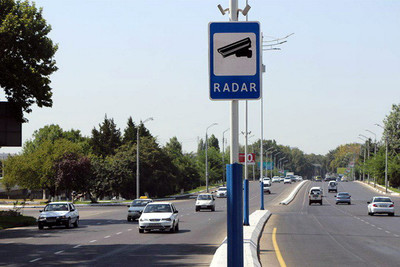
Drivers could face odd-even restrictions and heavy trucks could be kept out of provincial and city centers during periods of poor air quality, under a draft government resolution published for public discussion by the National Committee on Ecology and Climate Change.
The odd-even system, based on license plate numbers, could be implemented where necessary. Electric and special-purpose vehicles would be exempt. Trucks could alternatively be diverted to bypass routes.
The Interior Ministry would monitor compliance on the basis of instructions from the Presidential Administration. Specific streets and road sections for temporary restrictions would be designated based on local conditions and the committee's substantiated proposal.
Construction in city centers and densely populated areas would also be temporarily limited. Requirements would include dust suppression technology, covered storage and transport of materials and regular dampening of sites.
Energy enterprises would be barred from burning fuel oil during unfavorable weather, except in accidents or emergencies where needed to keep the power system stable.
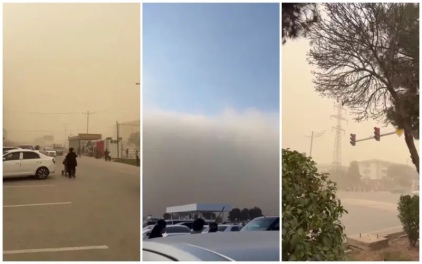
When natural dust and pollution rise, local authorities would keep all urban fountains running and intensify watering of streets, public places and green areas.
The Health Ministry would propose public protection measures to the Cabinet of Ministers. These include advice to stay home, especially for children, older people and the chronically ill, a temporary halt to outdoor classes, limits on mass events and possible remote work or changed hours at state organizations.
Public discussion runs until Dec. 12.
A special commission on urgent environmental measures in Tashkent was set up in November 2025. It was empowered to restrict industry, transport, heating supply and other areas during spikes in natural dust.