Uzbekistan will shift from recording and compiling crime statistics to using artificial intelligence to forecast crime trends and identify risk factors early, under a presidential decree that took effect on Nov. 7.
The decree provides for a Unified Criminogenic Data Platform. It will keep an electronic register of the causes of crimes, responsible agencies and remedial measures, and monitor results without human involvement. It will also compile a criminogenic stability index, rank ministries, agencies and local authorities on prevention work using KPIs, and forecast crime semiannually and annually by area, mahalla and type of crime.
The platform will be launched on a trial basis in Tashkent city’s Almazar district by the end of 2027. From 2028, it will be implemented in stages across the country.
Areas with a difficult crime situation will receive notifications from the Prosecutor General’s Office with measures to stabilise it. Within three days, an interagency task force must be set up under the district (city) governor. Within a month, risk factors and shortcomings in agencies’ work must be identified and an annual plan of targeted measures approved. The plan will be reviewed after six months. Officials who fail to carry it out may face consideration of their responsibility.
Authorities will also conduct an annual national victimisation survey, a survey on public safety and trust in law enforcement, and targeted studies on groups including youth, minors, women, ex-convicts and people on probation.
From 2028, the Prosecutor General’s Office will report annually to the president on crime trends, forecast accuracy and the effectiveness of measures, including comparisons with CIS and foreign countries.
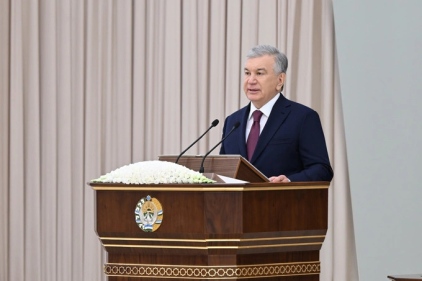
On Nov. 4, President Shavkat Mirziyoyev reviewed a presentation on improving prevention of offences, which noted that cybercrime and rapid digital development require taking prevention to a new level. A new model for assessing the crime situation was proposed.