An ancient cave containing rock art and inscriptions has been discovered in the Sokh district of the Fergana region, according to a report by the O‘zbekiston 24 television channel.
Unearthed deep within the mountains of Dehvayron village, the cave dates back to the Paleolithic era. Experts believe it may be even older than the famous Selungur cave. Measuring 50 meters in length, the cave features a dedicated "children's room," though the entrance to this chamber is currently blocked by soil and stones.
A unique feature of the cave is its natural microclimate; it remains cool during the scorching summer heat and stays warm throughout the winter. Primitive humans likely selected this site as a shelter specifically for this natural advantage.
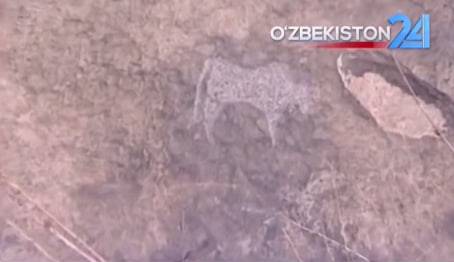
Furthermore, moving approximately 500 meters uphill from the cave reveals petroglyphs carved into the rock faces, depicting ancient animals and hunting weapons. Although this priceless heritage has suffered human damage over the years, several examples have survived to this day.
Plans are currently underway to transform the area into a major tourist destination by leveling access roads and building safe pedestrian walkways. In the future, this historic site will be integrated with a recreational complex being developed along the Sokh River, establishing the district as a major tourism hub.
This discovery follows other recent archaeological breakthroughs in Uzbekistan, including the remains of an 8th-century royal palace unearthed in Samarkand, where sculpture fragments were recovered from the main hall. Additionally, archaeologists previously discovered the 4,000-year-old remains of a child who had undergone cranial surgery in the country.
Stay up to date with all the latest news: