In a comprehensive new article, Senator Kudratilla Rafikov, Chairman of the Federation of Trade Unions of Uzbekistan, discussed the country's national symbols while reflecting on Samarkand’s evolution into "a hub of modern global diplomacy" and the political journey of the president Shavkat Mirziyoyev, who once governed the province.
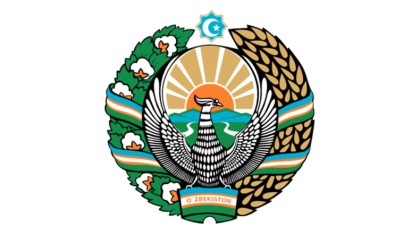
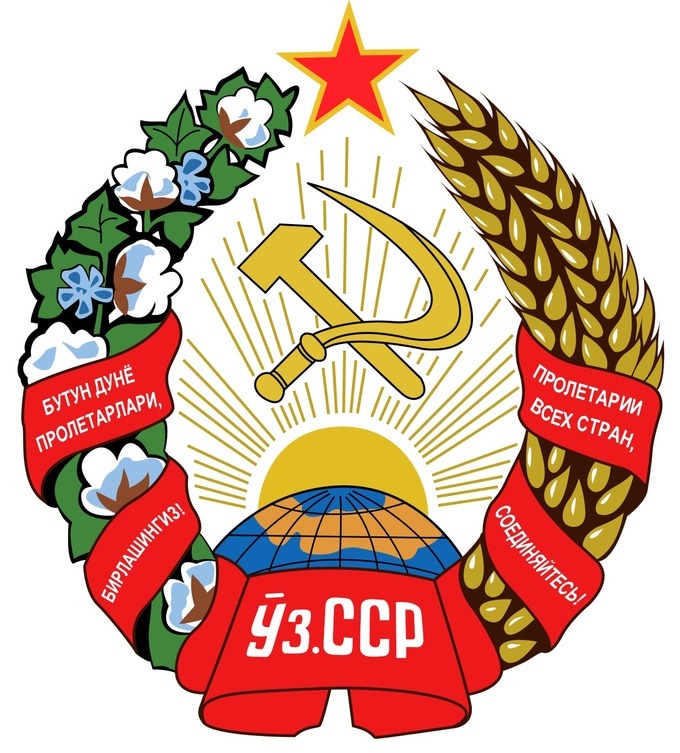
The author argues that keeping images of cotton and wheat on the national emblem after gaining independence reflected an ideological tie to the old Soviet system.
During the first few decades of Uzbekistan’s independence, Rafikov writes, freedom remained largely "theoretical," making independence feel in some ways like a form of "dependent freedom."
"This was constantly driven home by the slogans filling our streets and avenues: 'Do not tear down the old house before building a new one'. This exact mindset—of not breaking away from the old—even found its way into our national symbols, which were supposed to embody the genetic code of our nation and state," Rafikov believes.
"After we gained independence, cotton and wheat remained on our emblem, wrapped in ribbons as a badge of honor. But why specifically those two?" the Senator asks.
Rafikov notes that Shavkat Mirziyoyev has pointed out on multiple occasions that cotton revenues back then "did not even reach a billion dollars." In light of this, the senator questions whether cotton and wheat should really be the defining markers of the country's social and spiritual identity.
"Should these agricultural crops define our social and spiritual identity? Are they where we should look to see our centuries-old dreams, our grand aspirations, and our own spiritual identity on the global stage? It is clear that even after gaining independence, we ideologically still had one foot stuck in the ruins of the old system," he writes.
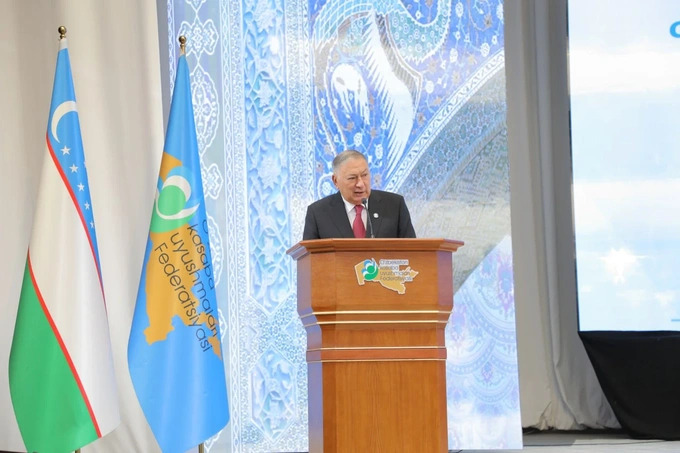
Kudratilla Rafikov links this directly to a broader issue deeply rooted in Soviet and post-Soviet mindsets. He explains that during that period, public discourse centered entirely around fields, harvests, cotton, and grain, which severely restricted the space for free thought.
"Just as the old Soviet center once forced us into the agricultural furrows, our mindset remained trapped between those same furrows long after we gained independence... If you look closer, behind this total mobilization—aside from its economic utility—lay another motive: a deliberate effort to control public consciousness," the senator observes.
The author notes that cotton, grain, and agriculture maintained a "socio-political cult" status in public life for a long time, mirroring the Soviet era.
"When people are subjected to endless rallying cries, and when the media talks around the clock about grueling labor, field work, and unattainable 'production quotas,' it inevitably erodes the very capacity for free and independent thought," he concludes.
Rafikov believes that this historical backdrop highlights exactly how the "Mirziyoyev era has transformed our worldview." He argues that discussions about agriculture, which used to carry "near-political significance," have completely lost their dominant position in today’s public discourse.
The familiar slogans of the past "seemed to call less for national liberation and more for a cautious retreat into the recent past. Time has shown that even the essence of our state symbols, which were meant to embody independence and national identity, instead reflected the fear, political anxiety, and inner insecurity of the 1990s," Rafikov writes.
He compares this collective mindset to what German philosopher Erich Fromm termed the "escape from freedom." According to the author, examining these shifts helps us see beyond isolated historical events to recognize a profound transformation in how the nation views itself.
"Today, three distinct images clearly emerge in our reality: 'Soviet Uzbekistan,' 'Post-Communist Uzbekistan,' and 'New Uzbekistan,'" Kudratilla Rafikov concludes.
Following the publication of the senator’s article, numerous posts emerged on social media supporting the idea of updating the national coat of arms. At the same time, others argue that the country currently faces many other pressing issues that demand equally serious attention.
The state emblem of independent Uzbekistan was officially adopted on July 2, 1992. The creator of the symbolism, Anvar Mamadzhanov, previously shared insights with Gazeta regarding the design process and the pivotal role that the first president, Islam Karimov, played in approving the final version.
Stay up to date with all the latest news: