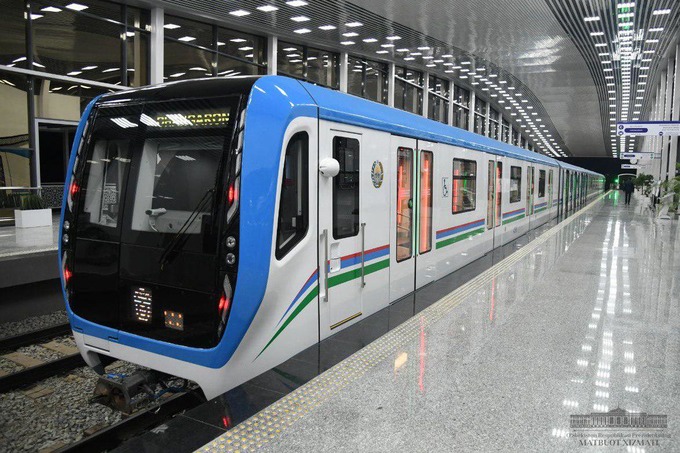
The Tashkent Metro is set to deploy a new fare system. This overhaul is mandated by the May 15 presidential decree aimed at improving the operational efficiency of the subway network, the Uzbekistan National News Agency (UzA) reported.
Distance-Based Fares
According to the document, fares will be calculated based on the distance traveled, specifically the number of stations passed. Special subsidized fares will be introduced for vulnerable segments of the population. Additionally, the transit system will debut new daily, weekly, and monthly travel passes. The Ministry of Economy and Finance, the Tashkent City Administration, and the Tashkent Metro authority have been tasked with developing the exact structure for these options.
The new system is expected to go live on January 1, 2027, with the final tariff rates to be finalized over the next six months.
Currently, the Tashkent Metro charges a flat fare that matches city bus rates at 1,700 soums. Under the existing integrated transfer system, transferring from a bus to the metro within one hour drops the metro fare to 1,100 soums. The unified ATTO transit payment network also provides discounted transport cards for schoolchildren, university students, retirees, and individuals with disabilities.
According to the Ministry of Justice, the city plans to establish a network of commuter "Park & Ride" parking lots near major metro stations by the end of 2028. This system will allow drivers to park their personal vehicles and seamlessly transition to public transit. Commuters utilizing these lots will be eligible for discounted metro fares, and parking fees will be integrated directly into the subway ticketing process.
By 2029, the city also plans to permit the installation of vending machines and small, mobile retail kiosks at subway entrances and station transfer points, strictly adhering to passenger safety regulations. Entrepreneurs will be able to secure commercial retail rights within the metro network via an auction-based leasing system.
The decree officially establishes key development benchmarks and performance targets for the metro network through 2030. Chief among these goals is reducing train headways (waiting intervals) down to 2–3 minutes.
Daily ridership is projected to more than double, climbing to 1.8 million passengers per day from the current level of approximately 790,000. Additionally, the network is slated to expand to 79 stations, stretching the total track length to 103 kilometers.
The expansion of the subway network was recently discussed during a briefing with President Shavkat Mirziyoyev. The official announcement outlined blueprints for a comprehensive Metro Development Strategy spanning 2027–2035, rolling out procurement pipelines for new train fleets, and constructing a new transit line connecting the Ming Urik station to the Southern Railway Station and the Ippodrom market.
Stay up to date with all the latest news: