The Legislative Chamber has passed a new bill designed to bolster the protection of women and children from harassment and violence, while simultaneously improving the quality of criminal investigations into these offenses. The bill was reviewed and approved in three consecutive readings during a single session.
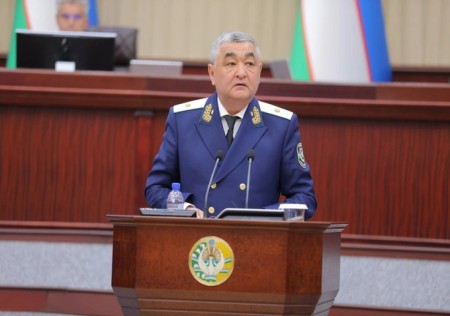
According to First Deputy Prosecutor General Bakhriddin Valiev, despite ongoing reforms, the crime rate in this area remains alarmingly high. In 2025 alone, there were 221 recorded cases of violence against women and 227 cases of sexual harassment or sex crimes against minors under the age of 16.
Data analysis reveals significant systemic failures, including procedural flaws and legal violations during the investigation of crimes against sexual freedom and morality. A primary concern is the poor efficiency of initial investigative actions.
Specifically, crime scenes were often processed by personnel lacking the necessary specialized training. In 800 instances, the initial inspections were conducted by community prevention officers, and in another 187 cases by undercover operatives. More concerning still, in some reported cases, no crime scene investigation was conducted at all. These lapses often led to the loss of critical evidence, making it significantly harder to bring perpetrators to justice in court.
“We are sounding the alarm: community prevention officers lack formal legal training. Fewer than 30% of them have a degree in law. A year ago, we transferred these responsibilities to professional investigators. They arrive at the scene… but since I am directly responsible for this sector, I can see that the problems are immense. We have reached a point where we can no longer call a spade a spade,” Valiev stated.
Over the past five years, a total of 8,833 reports of such crimes were filed. Of these, 4,787 led to criminal proceedings, 219 were suspended, and 3,665 resulted in a refusal to prosecute.
Currently, these investigations are handled by the Ministry of Internal Affairs.
"However, the police investigative branches are under an immense burden. You are well aware of the rise in cybercrime—nearly every category of crime is being funneled to Ministry of Internal Affairs investigators. In some regions, a single investigator may be juggling more than 40 criminal cases at once. Yet, they still have to navigate strict deadlines, complex procedural requirements, and the fundamental necessity of reaching a legally sound decision," noted the First Deputy Prosecutor General.
To resolve these issues, the bill proposes several key changes. Specifically, the jurisdiction over crimes involving sexual freedom and integrity committed against women and minors is being transferred from the police to the Prosecutor’s Office. This includes:
- Article 118: Rape;
- Article 119: Forcible satisfaction of sexual appetite in an unnatural form;
- Article 121: Coercing a person into sexual intercourse;
- Article 128: Sexual intercourse with a person under the age of 16;
- Article 128-1: Sexual intercourse with a person between the ages of 16 and 18 through the provision of material goods or other benefits;
- Article 129: Indecent acts toward a person under the age of 16.
Furthermore, the bill proposes an amendment to the Criminal Executive Code to prohibit those convicted of rape or the forcible satisfaction of sexual needs in an unnatural form against minors (specifically involving victims under 14 and under 18 under Articles 118 and 119) from serving their sentences in minimum-security penal settlements.
The bill also proposed to mandate stricter prosecutorial oversight regarding the enforcement of sentences in child abuse cases. Additionally, it expands the Prosecutor’s Office's jurisdiction over several related offenses, including violations of occupational safety and environmental regulations that result in fatalities.
Under the proposal, the Prosecutor’s Office would also take over cases involving environmental crimes—such as breaching ecological safety standards, concealing or falsifying pollution data, failing to remediate environmental damage, and violating regulations for combating plant diseases—as well as investigations into workplace safety violations that lead to loss of life.
The bill has been passed by the Legislative Chamber and sent to the Senate for further consideration.