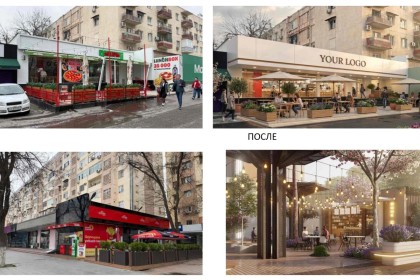
Tashkent is set to implement a comprehensive design code to forge a unified urban identity. On April 3, the capital’s mayor's office held a presentation to discuss the project's intricacies.
Rustam Kodirov, Deputy Head of Strategic Development at “Tashkent Invest,” noted that the framework was eight months in the making. Formally approved by the Council of People's Deputies on February 17, the document outlines the boundaries of public spaces, planning instructions, and regulations for urban furniture, commercial real estate, and visual identity.
From Navigation to Facades: What the Design Code Regulates
Kodirov emphasized that the surge in the capital's population necessitated these new standards.
"In the early 90s, Tashkent's population was just over a million. Today, it is officially 3.2 million. However, factoring in daily 'pendulum migration'—students and workers commuting from other regions—the city's actual daytime population reaches 4.5 to 5 million," he explained.
Under such pressure, structured rules become essential. "The design code concept originated in Europe, utilized by cities like Barcelona, Madrid, and London to preserve and harmonize their urban fabric. Essentially, it is a set of rules and recommendations defining the aesthetic requirements for everything from residential homes and shops to business centers and clinics."
The project places a heavy emphasis on wayfinding and signage, a critical factor for navigating large metropolises. This is particularly relevant for Tashkent’s "micro-districts" built in the 70s and 80s, which often followed repetitive, cookie-cutter designs.
"Modern guidelines aim for a more diverse and comfortable architectural environment," Kodirov added. "It’s vital that when a person returns to their neighborhood, they feel the individuality of the space, rather than viewing it merely as a functional place to sleep."
Tashkent is implementing a new urban design code to create a cohesive, aesthetic, and safe environment by standardizing infrastructure elements like building facades, signage, and street furniture. Rustam Kodirov emphasized that this initiative, which draws on international best practices and local traditions, will prioritize high-traffic "magnets" such as Chorsu Bazaar and Amir Temur Square to eliminate visual clutter.
- Urban Harmony: Tashkent’s Plan to Blend Tradition with Modern Order
- From Clutter to Cohesion: Redefining the Visual Pulse of the Capital
- Tashkent’s Design Revolution: Prioritizing People and Pedestrian Hubs
- A Signature Style: How Tashkent is Coding Its Cultural Identity into the Streets
- Blueprint for a Magnet City: Tashkent’s New Standards for Urban Living
The revitalization effort aims to blend modern functionality with the city's unique cultural identity.
Follow us on: