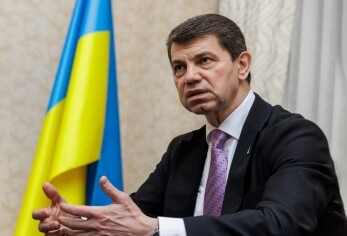
Ukraine stands ready to collaborate with Uzbekistan regarding citizens drawn into the war by Russia and is calling for measures to prevent their recruitment. This statement was made by Ukraine’s Deputy Minister of Foreign Affairs, Oleksandr Mishchenko, following his visit to Tashkent on April 2.
"Through hooks and crooks, bribery and blackmail," Uzbek citizens are being lured by the promise of "easy money," only to find themselves complicit in "this criminal activity," Mishchenko stated.
He emphasized that anyone entering Ukrainian territory with weapons in hand is classified as a combatant.
"Those who fought against Ukraine with weapons [and were captured] are considered prisoners of war. However, we maintain a very humane treatment of POWs. All other matters are handled through specialized channels via the security services and relevant authorities. We are prepared to engage with our Uzbek counterparts, and on this issue, we share an absolute mutual understanding," he declared.
"We cannot view them any other way. They are an enemy killing on Ukrainian soil. We would much prefer that citizens of friendly nations were not among them. But since this is occurring, we will review each case individually in coordination with the Uzbek authorities," the Deputy Minister added.
He pointed to the urgent need for preventive measures, urging Uzbek authorities to more effectively educate the public on the inherent dangers. He called for targeted campaigns to ensure "young people do not fall into such dire circumstances."
Uzbek citizens are regularly sentenced for mercenarism upon their return home. Often, these individuals are labor migrants working in Russia who have come to the attention of the police and were "offered" a contract with the Russian Ministry of Defense as an alternative to criminal prosecution.
In November 2025, Uzbekistan’s State Security Service reported that 338 criminal cases had been initiated over the past four years regarding citizens participating in foreign armed conflicts. The figures show a sharp year-on-year increase: from 19 cases in 2022 to 68 in 2023, 112 in 2024, and 139 in 2025.